SpaceX has filed with the FCC for an orbital data-center system of up to one million satellites, putting the idea under regulatory review. Reuters says the concept faces familiar challenges around power, cooling, orbital congestion and economics, much like Microsoft’s discontinued Project Natick subsea experiment.
SpaceX’s plan to build orbital data centers is now formally under FCC review, turning a long-shot infrastructure idea into a live regulatory filing.
The company submitted an application on January 30 for a new non-geostationary satellite system described as the SpaceX Orbital Data Center system. The FCC Space Bureau accepted the filing on February 4 and opened a public comment period. The notice says the proposed network could involve up to 1 million satellites operating between 500 km and 2,000 km above Earth.
Reuters, in an analysis published Wednesday, said SpaceX has argued the concept could help bypass the power and water limits that constrain terrestrial AI infrastructure. But the same report said the proposal may run into the same broad obstacles that have challenged other unconventional data-center ideas: cooling, economics, deployment complexity and regulatory scrutiny.
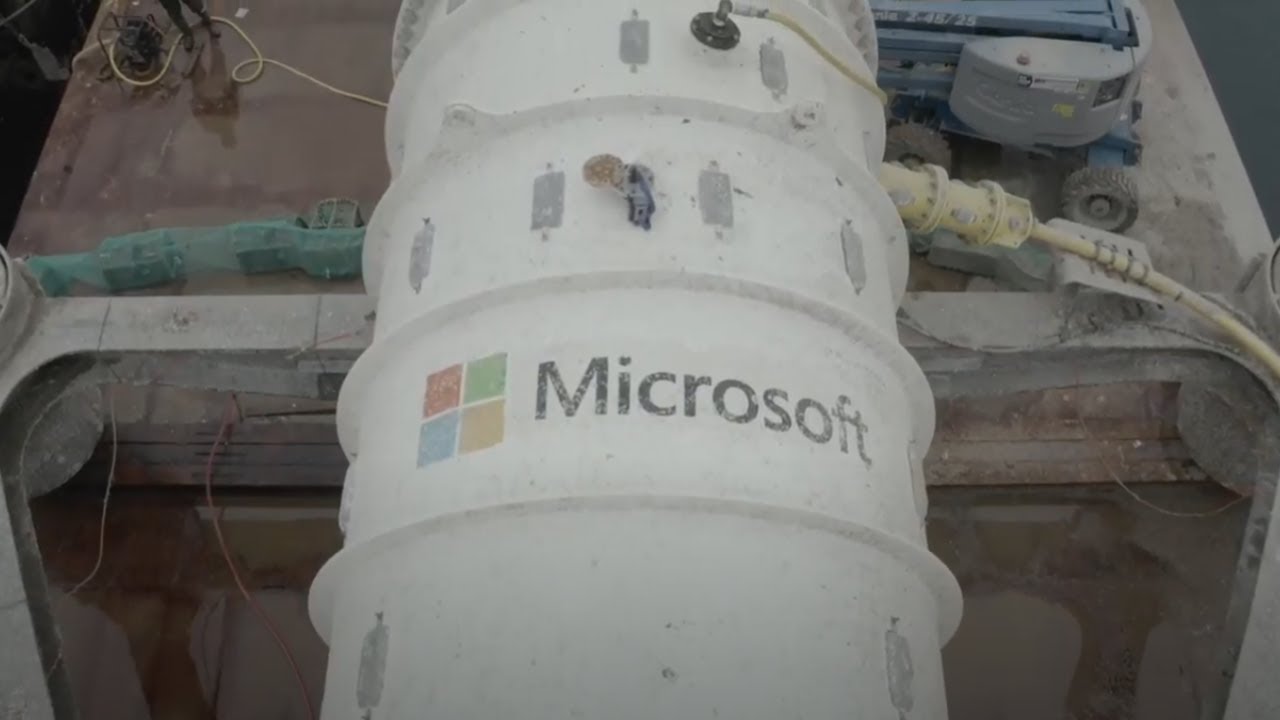
The closest comparison is Microsoft’s Project Natick, a subsea datacenter experiment that Microsoft has described as a research effort and says is no longer active. Microsoft said the project helped it learn about feasibility and operational tradeoffs, but it did not become a permanent product line.
That contrast matters because it shows how hard it is to move from a technical demonstration to a scalable infrastructure business. SpaceX’s proposal faces a different environment than an underwater capsule, but it still has to clear basic questions about cost, orbital congestion, safety and whether the system can be built and operated at meaningful scale.
For now, the key development is procedural rather than technical: SpaceX has put the idea before regulators, and the FCC has started the review process. What happens next will likely depend on the scope of the final system and the feedback it draws from the public and other stakeholders.
Revision note
Initial automated publication.