A St. Jude-led study says PHIP is a dependency in cancers driven by SWI/SNF mutations and may point to a new therapeutic target.
A new study says PHIP may be a vulnerability in cancers driven by SWI/SNF mutations, opening a possible therapeutic path in tumors that are often difficult to treat.
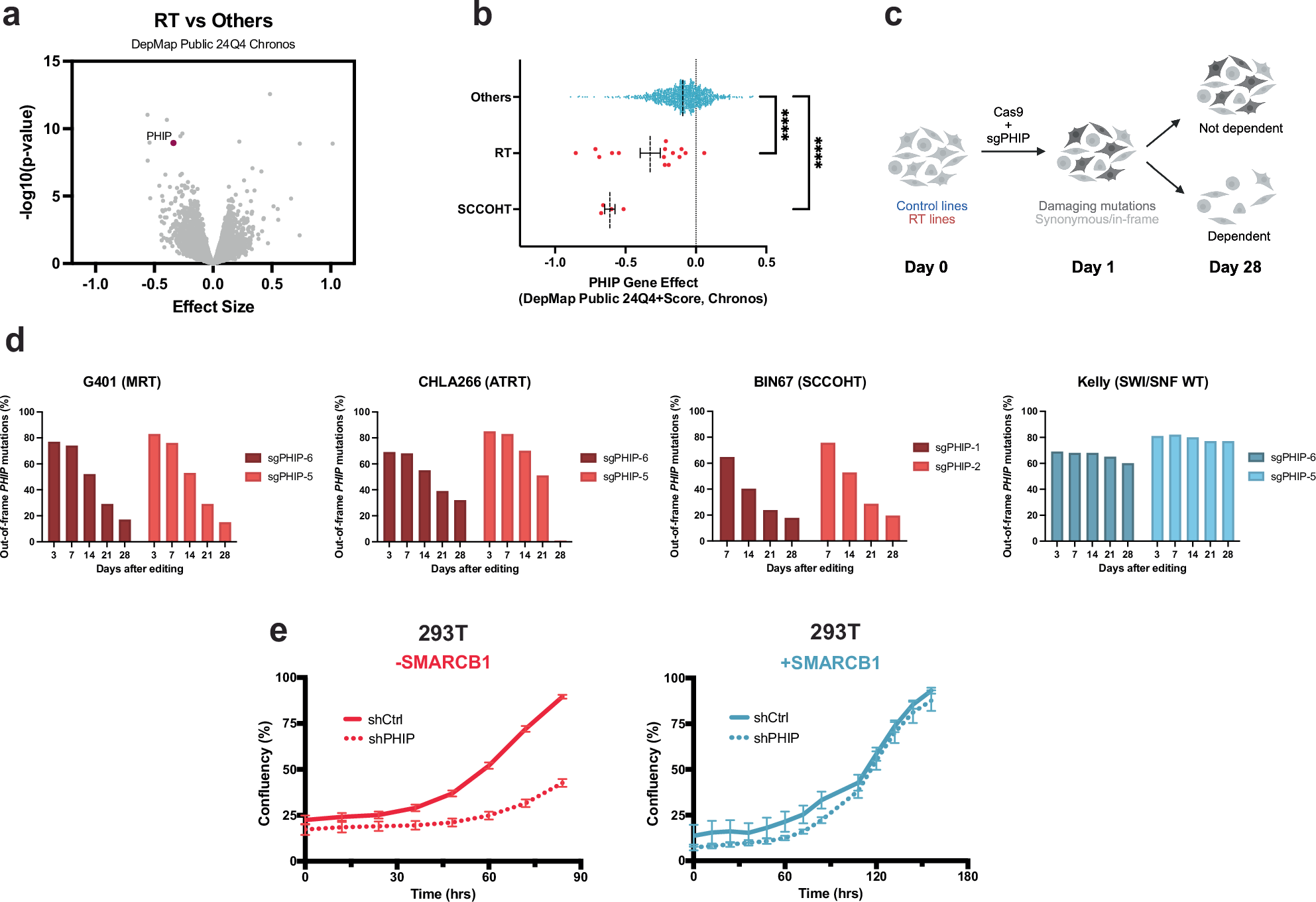
The paper, published April 7 in Nature Communications, was led by researchers at St. Jude Children’s Research Hospital. It reports that PHIP helps support cancer growth in the setting of broad SWI/SNF inactivation by suppressing the NuRD complex and preserving transcriptional activation.
According to the study and St. Jude’s release, loss of PHIP reduced tumor growth in cell lines, organoids and xenograft models. The effect was also seen in models of SMARCB1-deficient rhabdoid tumors.
The researchers say the finding is notable because SWI/SNF mutations are present in a substantial fraction of cancers and are especially important in pediatric disease biology. The paper frames PHIP as a novel dependency rather than just a marker of the disease state.
The announcement was published the same day by St. Jude and syndicated by MedicalXpress and Newswise, making it a fresh research story with clear clinical relevance, though still at the preclinical stage.
The work does not describe a drug ready for patients, but it gives researchers a new target to explore in SWI/SNF-mutant cancers.
Revision note
Initial automated publication.