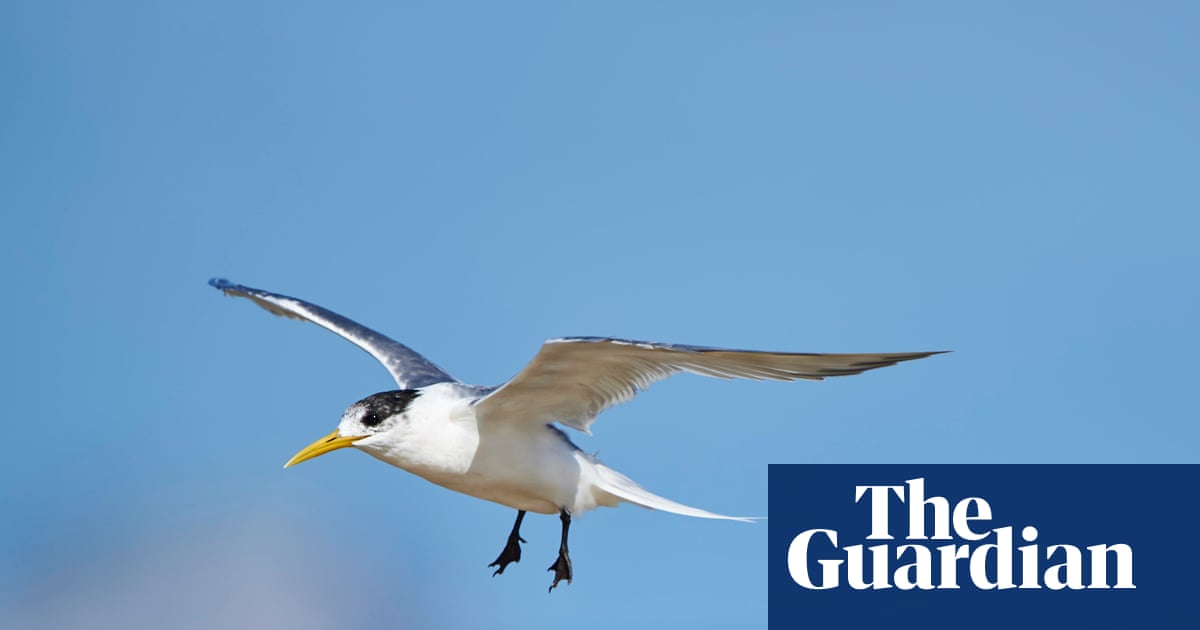
Australian authorities have confirmed H5 bird flu in a greater crested tern on South Australia’s Limestone Coast, the first known detection in a native Australian seabird. Officials say the risk to people remains low and there is still no evidence of spread to poultry.
Australian authorities have confirmed H5 bird flu in a native Australian seabird for the first time, after a greater crested tern was found dead at Robe Marina on South Australia’s Limestone Coast.
Federal Agriculture Minister Julie Collins said the result was confirmed by CSIRO. South Australian authorities said the human health risk remains low, and there is still no evidence the virus has spread to poultry.
The finding is significant because earlier Australian detections had involved migratory seabirds, not a resident native seabird. That changes the surveillance picture along the coast, where wildlife, marine mammals and poultry biosecurity zones can overlap.
First native seabird case
The bird was identified as a greater crested tern, a coastal species found around Australia’s shoreline. It was first reported by a member of the public before testing confirmed the H5 result.
Officials said this is the first known detection of H5 bird flu in a native Australian seabird. The case adds a new dimension to an already active wildlife response across southern Australia.
The Herald Sun reported there are now 12 total H5 cases identified across Australia. One additional suspected case was still under testing at the time of the latest review.
Wider coastal surveillance
Adelaide Now reported further confirmed H5 cases in two giant petrels, from Emu Bay on Kangaroo Island and Port Vincent. Those detections suggest the response is tracking more than one coastal hotspot.
The Guardian said aerial surveillance has not identified any widespread bird or seal deaths so far. That is an important check on whether the virus is causing broader visible mortality in the field.
South Australian officials have also been holding public information sessions in affected areas. They are staying in close contact with poultry operators and wildlife carers as testing continues.
The Herald Sun reported the bird flu hotline had received about 5,000 calls since June 19, including around 50 dead-bird reports from Tasmania. The volume shows the public is actively reporting suspected cases.
Why this matters
The new detection matters because a resident seabird case raises different biosecurity questions from a case in a migratory bird. A virus established in local coastal wildlife can be harder to monitor and contain.
Authorities are watching closely for any impact on vulnerable species such as sea lions and other coastal birds. They are also monitoring the poultry sector, because any spread into farm birds would be a much larger agricultural risk.
South Australia has already invested in surveillance and response capacity for avian influenza, and the latest case adds pressure to keep testing and field monitoring moving quickly.
What authorities want next
Public advice has not changed: report sick or dead birds and avoid handling them.
Authorities will keep testing suspected cases and monitoring coastal wildlife for any further spread in South Australia or other states, including Western Australia. The main open question now is whether the newly confirmed seabird cases remain isolated or point to wider coastal circulation of the virus.
Revision note
Expanded with confirmed follow-on cases, surveillance context, and public-response details.