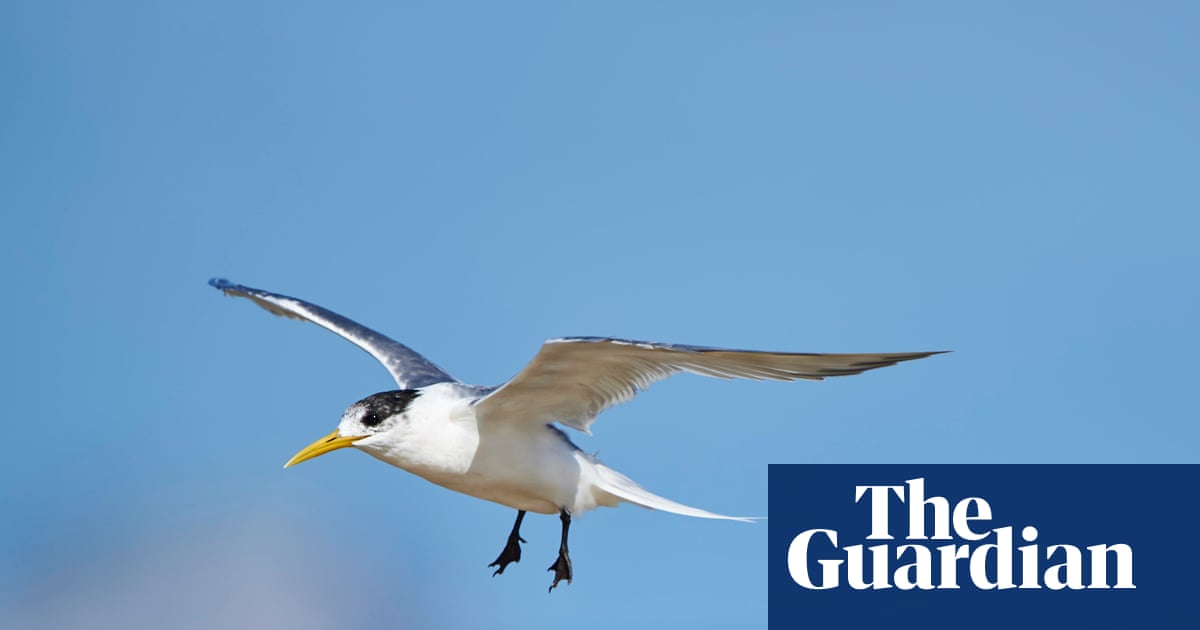
Australia has confirmed H5 bird flu in a native greater crested tern found dead at Robe Marina, the first detection in a resident Australian seabird. Authorities say there is no evidence of poultry spread or mass bird deaths, while coastal surveillance is being stepped up.
First native seabird case
Australia has confirmed H5 bird flu in a native Australian seabird for the first time, after a greater crested tern found dead at Robe Marina in South Australia tested positive for the virus.
Federal Agriculture Minister Julie Collins said the CSIRO confirmed the case. The detection is being treated as significant because earlier Australian H5 findings were tied to migratory birds rather than a resident seabird living on the coast.
Coverage on Friday also reported additional H5-positive giant petrels in South Australia, adding to concern about the virus circulating in coastal wildlife.
Why it matters
The new finding raises the possibility of broader local exposure in marine and coastal species, although that has not been proven. A resident seabird case is more concerning than a one-off migrant-bird detection because it may point to wildlife already using the same environment.
South Australian authorities have stepped up surveillance along the coast and are continuing to test wildlife for more cases. The bird was reported by a member of the public, underlining the role of public reporting in spotting sick or dead birds early.
Official response
Authorities say there is no evidence so far that H5 has spread to poultry. They also say there is no sign of mass bird deaths.
That matters for both biosecurity and agriculture. If the virus were to move from wildlife into farms, the risk to commercial poultry would rise quickly, so officials are watching for any change in the pattern of detections.
BirdLife Australia and state authorities are among the groups tracking the situation, particularly around marine birds and other wildlife that share coastal feeding and nesting areas.
What is still unclear
The main unanswered question is whether this is evidence of sustained local transmission in resident coastal wildlife or spillover from infected migratory birds.
It is also not yet clear whether any reported mammal cases will be confirmed. Today’s coverage noted conflicting reports about a possible New South Wales fur seal case, but those claims remain unresolved.
For now, the focus is on surveillance, testing and rapid reporting of any sick or dead birds along the South Australian coast. Officials are likely to keep updating the public if additional wildlife, poultry or mammal cases are confirmed.
Revision note
Expanded with verified chronology, official response, wildlife stakes, and unresolved mammal reporting.