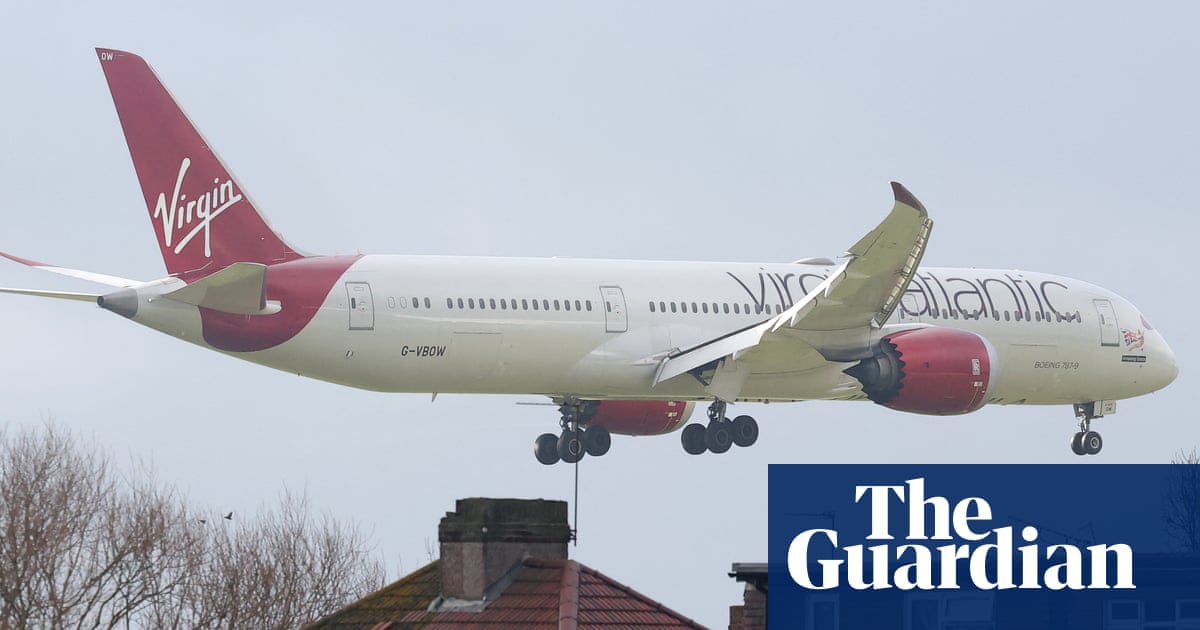
A Department for Transport-backed assessment says Heathrow’s proposed third runway could cause major adverse health and social impacts for nearby residents, as the government opens consultation on a revised expansion policy.
A Department for Transport-backed assessment at the centre of Heathrow’s third-runway debate says the scheme could have major adverse effects on the health and wellbeing of up to 3 million nearby residents.
The report, prepared by Aecom, says the project would worsen noise and air quality and could also affect access to housing, healthcare, education, open space and transport. It also warns of likely negative effects on water quality, community cohesion, landscapes and climate adaptation efforts.
The findings land as ministers open consultation on a revised policy framework for Heathrow expansion. The government is consulting on a draft national policy statement for the airport rather than a wider aviation policy, and says the process is intended to shape future expansion policy.
What the report says
The assessment says the runway could bring some benefits in jobs, income, education, skills and training. But it concludes that many of the adverse effects it identifies are likely and cannot be fully offset by mitigations.
That balance is important because the government has argued that the impacts can be managed. The Department for Transport says the health assessment describes the effects if the runway were built without mitigations, and that officials are actively working on mitigation measures.
The report leaves unresolved how much of the damage could realistically be reduced in a final policy package. It also gives campaigners a detailed official document to cite in arguing that the project would impose too much harm on surrounding communities.
Consultation and chronology
The latest reporting adds to coverage that first detailed the DfT-backed health assessment on June 18, 2026, before fuller reporting on June 19, 2026 set out the consultation and policy implications in more detail.
That chronology matters because the debate has shifted from a general argument about airport growth to the specific policy basis needed to advance the scheme. Ministers are not yet authorising construction; they are asking for views on the national policy statement that would underpin a future decision.
Transport Secretary Heidi Alexander said the consultation is meant to help shape future expansion policy. MPs are expected to vote on the national policy statement after the consultation closes.
The project under scrutiny
Heathrow’s expansion plan remains one of Britain’s most politically charged infrastructure proposals. Reporting describes it as involving a 3,500-metre runway, the relocation of part of the M25 and the compulsory purchase of around 800 homes.
The scale of the scheme has long made it controversial among local residents, environmental campaigners and some politicians. Critics say the consultation is moving too quickly and that communities under the flight path have had too little say.
The report sharpened those concerns by tying the runway debate to health, social and environmental impacts rather than only to noise and carbon emissions. Its conclusions point to pressure on not just air quality and sleep, but also on housing, healthcare access and the broader fabric of nearby neighbourhoods.
Government and Heathrow reactions
The government is trying to frame the process as one that can reconcile growth with mitigation. Officials say the consultation will help determine how future expansion policy should be written and how the impacts might be reduced.
Heathrow chief executive Thomas Woldbye welcomed the consultation as progress and said the airport is privately funded and ready to move ahead after years of scrutiny. Heathrow has long argued that expansion would support economic growth and jobs.
Reporting around the project has also set out the financial and economic case made by supporters: an estimated cost of about £33bn, with reported potential benefits of 60,000 jobs and up to £42bn in economic gain.
Those figures remain part of the political argument, but the new report changes the emphasis. It gives ministers a formal assessment saying the local harms are likely substantial and that mitigation may not be enough to remove them.
What happens next
The immediate next step is the consultation on the draft national policy statement. After that, ministers will decide how far to endorse the runway plan and what weight to give the health assessment and local objections.
The wider dispute is unlikely to end there. Any move forward would still face parliamentary scrutiny, planning hurdles and continued pressure over climate, noise and community impact.
For now, the report has sharpened the central question around Heathrow: whether the government is prepared to back a project that its own commissioned assessment says could cause major harm to people living nearby.
Revision note
Expanded into a fuller, sectioned news report with chronology, stakeholder reactions, project detail and next steps.