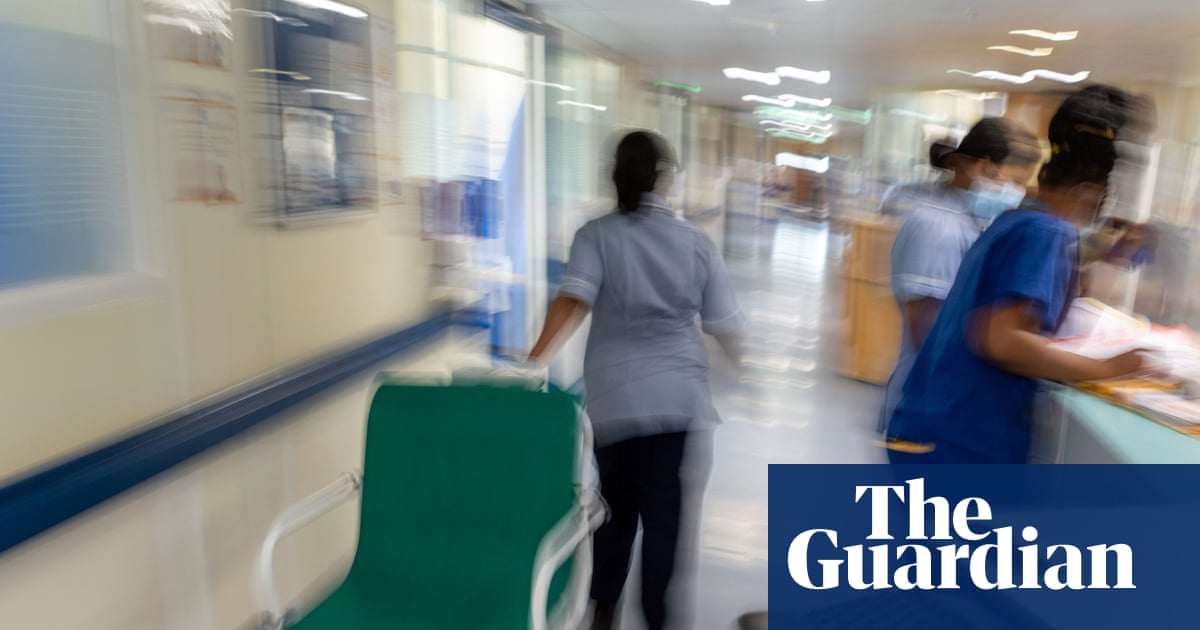
NHS trusts in England declared critical incidents on June 25 after extreme heat and humidity disrupted scanners, cooling systems and IT, forcing cancellations and reducing hospital capacity.
Heatwave disruption hits hospitals
Several NHS trusts in England declared critical incidents on June 25 after extreme heat and humidity disrupted scanners, cooling systems and other hospital infrastructure, forcing cancellations and reducing capacity.
Norfolk and Norwich University Hospitals NHS Foundation Trust said cooling systems that keep its MRI scanners running were affected, leaving it with no working MRI scanners across its Norwich sites, including its main hospital and community diagnostic centre.
The trust said at least 254 outpatient appointments were cancelled. The disruption meant patients due for scans or follow-up care faced delays at the height of a record-breaking heatwave.
Portsmouth Hospitals University NHS Trust said Queen Alexandra Hospital also declared a critical incident after cooling units failed and temperatures rose across the hospital.
The trust said the problem affected digital systems and clinical services including operating theatres, cardiac catheter laboratories and diagnostic scanning facilities. It described the failure of chiller units as causing significant disruption across several services.
Why the disruption matters
The reports show the immediate damage was operational, not just uncomfortable working conditions. Scanners, chillers, IT systems and other infrastructure essential to diagnosis and treatment were all affected at once.
That matters because cooling failures can spread beyond comfort and staff fatigue. When diagnostics, digital systems and clinical areas are disrupted together, hospitals lose the ability to move patients through care safely and on time.
The Guardian reported that several NHS trusts in England declared critical incidents as a direct result of the extreme heat. It said radiotherapy machines, MRI scanners, IT systems and cooling units failed, and some doctors described wards reaching 35C.
Staff were also dealing with patients arriving after collapsing or with dehydration, while overcrowded wards became harder to manage in the heat. The pressure on hospitals rose at the same time that the estate became less reliable.
Chronology and scale
The disruption came as the UK heatwave intensified on June 24 and June 25. The Met Office said a provisional June temperature record of 36.1C was recorded in Gosport, Hampshire.
The UK Health Security Agency issued a red heat-health alert for parts of England, signalling severe heat and risks beyond health and social care. That warning framed the hospital breakdowns as part of a broader public-health emergency.
Reporting from The Times and The Sun also linked the heatwave to hospital disruption, including the critical incidents at Portsmouth and Norfolk hospitals. The Financial Times reported that East Surrey Hospital and Aneurin Bevan University Health Board also declared critical incidents during the same heatwave, showing the problem was not isolated to one trust.
What remains unclear
It is not yet clear how long repairs will take or how many more hospitals may be affected if temperatures remain high. The reports reviewed do not show a coordinated national operational response from NHS England or the Department of Health.
The immediate question for patients is how quickly scanners, cooling systems and digital services can return to normal. Another open question is whether more trusts will declare incidents if the heatwave continues.
The episode underscores a long-running weakness in the NHS estate: many hospitals have limited air conditioning and older buildings that are vulnerable when temperatures rise sharply. As heatwaves become more intense, the risk is not only to comfort and staffing, but to core clinical services.
For now, trusts are monitoring service restoration and further disruption. More declarations could follow if cooling and IT systems fail again before the heat eases.
Revision note
Expanded with chronology, affected trusts, operational impact, broader heatwave context and open questions.