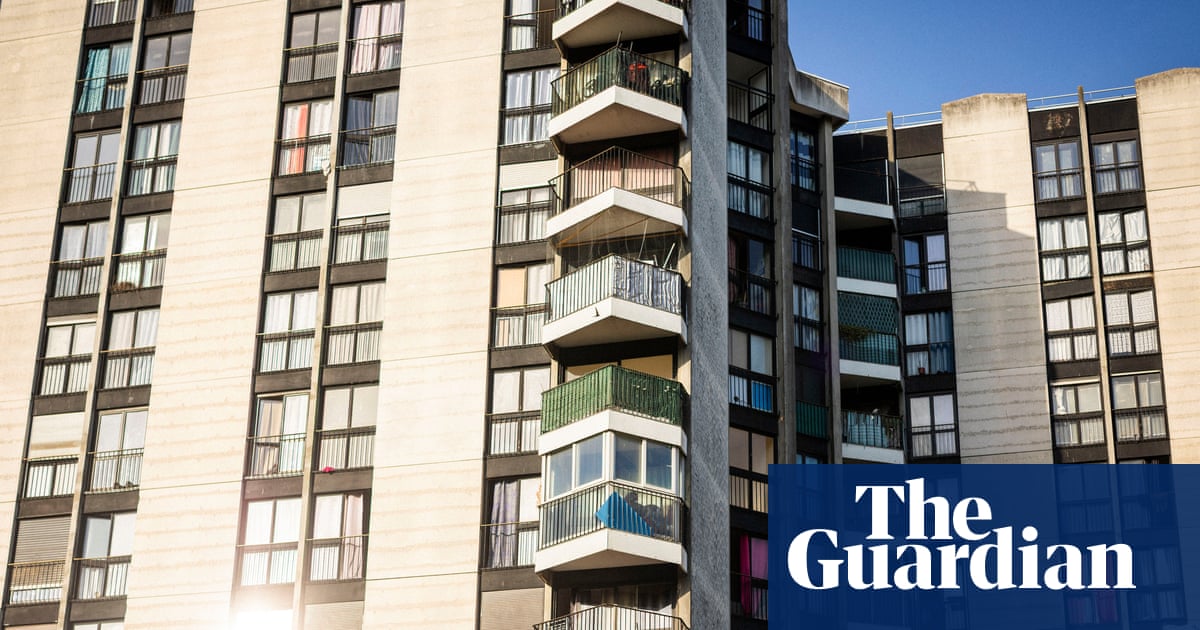
France's record June heatwave is exposing how badly insulated homes can become dangerous heat traps, with low-income renters, schools and public services under strain.
Residents across France are struggling with homes that feel uninhabitable as a record June heatwave turns badly insulated apartments, attic flats and dense housing estates into dangerous heat traps.
The episode has become more than an extreme-weather story. It is now exposing a housing and inequality problem, with low-income renters, people in top-floor flats and families in older urban estates facing the sharpest risk because they have fewer ways to cool their homes or leave the city.
Homes that hold the heat
The Guardian reported on June 25 that French residents in poorly insulated homes are suffering through the heatwave, especially low-income renters and people living in top-floor flats and concrete housing estates. AP separately described how attic and top-floor apartments under Paris zinc roofs are becoming dangerous heat traps.
That building type matters. Roof spaces and upper-floor apartments absorb heat through the day and can stay hot well into the night, leaving residents trapped in conditions that are hard to escape when temperatures remain elevated after sunset.
Vulnerable residents told The Guardian they cannot afford fans, shutters or summer trips away from the city. For many households, the choice is not between comfort levels. It is between heat that is merely unpleasant and heat that becomes unsafe.
The Guardian also cited a report for the Fondation pour le Logement saying half of French homes have insufficient protection against high temperatures. That finding puts the housing stock itself at the center of the story, not just the weather.
A record-setting heatwave
The scale of the heat across France has been exceptional. Le Monde reported that the country recorded its hottest day ever on June 24, 2026, with a national average temperature of 30C.
Temperatures topped 40C in several cities, including 40.3C in Paris, while overnight lows reached 27C in the capital. Le Monde said Météo-France described the event as exceptional and linked its severity to human-driven climate change.
The Guardian reported that more than 44 million people in France were under the highest red heat alert this week. That alert level underscores how broad the exposure is, stretching far beyond the most vulnerable housing blocks.
The timeline of reporting has shown the intensity building through the week. The Guardian first published its main report on the housing impact early on June 25, while AP and Le Monde added detail on the scale of the heat and the particular risks in Paris apartments.
Schools and public services under strain
The heat is also disrupting public services. AP reported school closures and said schoolchildren were among those affected by dangerously hot classrooms.
The Guardian said one child's school was among 1,800 schools closed because of extreme heat. Later on June 25, it reported that teachers' unions were urging strike action as French school exams went ahead in temperatures of up to 40C.
That makes the crisis visible beyond private homes. Schools are having to close, exams are being disrupted, and teachers are pushing back against conditions that make normal operation unsafe or impractical.
The strain is extending into other parts of daily life as well. The Guardian reported hospital admissions, transport disruptions, power cuts and reduced nuclear output during the heatwave, showing how a climate event can cascade through the wider system.
Inequality built into the city
The heatwave is widening the gap between households that can adapt and those that cannot. Wealthier residents are more likely to have air conditioning, better insulated homes or the ability to leave the city temporarily.
Poorer households, especially in suburban estates and older urban buildings, are left with fewer protections and fewer options. That leaves climate risk shaped not just by temperature, but by income, building quality and neighborhood design.
This is why the story has become a climate inequality story as much as an extreme-weather story. The same heat affects everyone outdoors, but indoors the burden is unevenly distributed.
The Guardian said critics accuse the French government of underfunding adaptation projects. The complaint reflects a broader concern that the country has not moved quickly enough on the practical measures that would reduce indoor heat, including insulation, shading and other retrofit work.
What happens next
The immediate question is whether temperatures stay high enough to force further school closures or exam changes. Authorities will also be watching for new health impacts, transport problems or pressure on the power system if the heat persists.
Another open question is how far the government will go on adaptation policy. The research points to mounting pressure for investment in housing insulation, shading and public-building upgrades, but it does not yet show a new national package.
For now, the heatwave is exposing a basic vulnerability in one of Europe’s largest housing stocks: when buildings are not designed to keep heat out, a climate emergency quickly becomes a housing emergency too.
Revision note
Expanded with full verified chronology, housing context, school and service impacts, inequality framing, and next-step context.