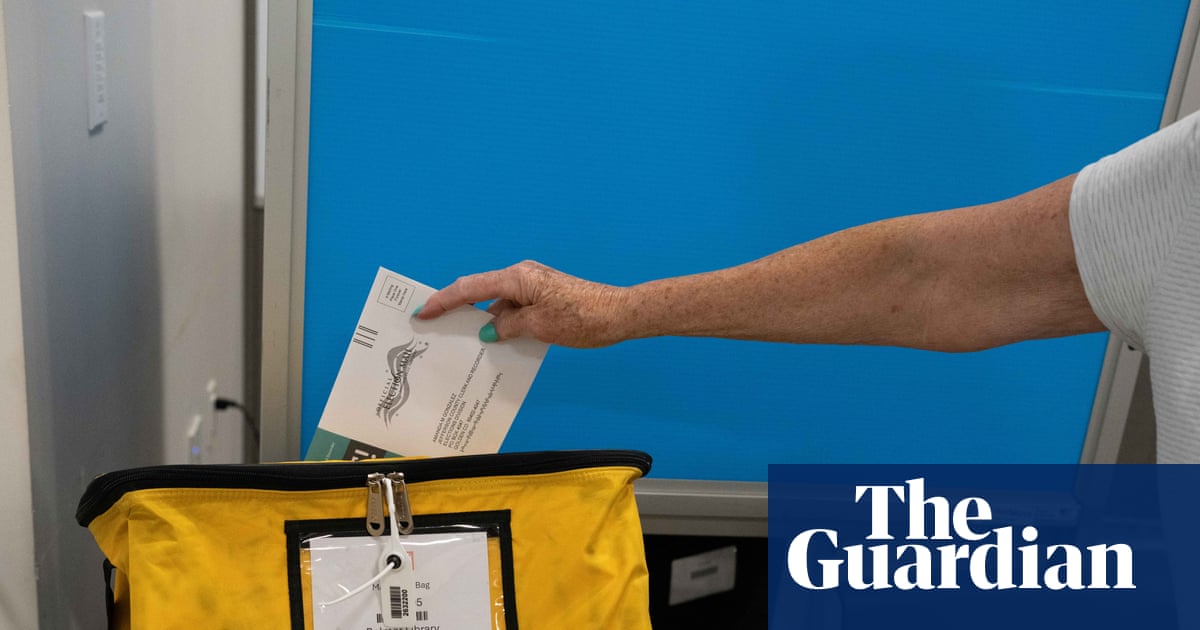
A federal judge in Washington blocked a Postal Service rule tied to Donald Trump’s March election order, saying it conflicted with a 2021 election-mail settlement. The ruling follows an earlier Massachusetts injunction against related provisions and deepens uncertainty over mail-ballot delivery ahead of the 2026 midterms.
A federal judge in Washington has blocked a Postal Service rule tied to President Donald Trump’s March executive order on election administration, handing the administration another setback in its effort to reshape how mail ballots are handled before the 2026 midterms.
U.S. District Judge Emmet Sullivan said the USPS proposal conflicted with a 2021 election-mail settlement. According to reporting summarized in the research, the rule would have conditioned ballot delivery on states sharing voter-roll information and changing certain voting procedures.
The ruling comes after a separate federal decision in Massachusetts on June 25, where U.S. District Judge Indira Talwani blocked related provisions of the same effort in a case brought by states and the District of Columbia. Together, the two court actions have placed major parts of the administration’s plan on hold.
The Washington ruling
Sullivan’s order is the newest legal blow to the administration’s attempt to translate Trump’s March directive into postal policy. The Washington case centered on whether USPS could adopt a rule that narrowed or conditioned mail-ballot delivery despite the earlier election-mail settlement.
The judge’s conclusion that the proposal conflicted with that settlement gives challengers a fresh legal foothold and raises the likelihood of further appeals. The available reporting does not indicate that the administration has accepted the outcome, and further appellate action is expected.
The USPS was approached for comment in reporting on the case. The NAACP and Public Citizen supported the legal challenges.
How the dispute developed
The conflict traces back to Trump’s March 2026 executive order on election administration and mail voting. That order directed action affecting how election mail is processed, and USPS later proposed a rule on June 2 that implemented parts of the directive.
That proposal quickly ran into court resistance. On June 25, Talwani blocked key parts of the same broader effort in Massachusetts, limiting the administration’s ability to move ahead in 23 states and the District of Columbia, according to the research packet.
Sullivan’s later ruling in Washington adds a second judicial barrier and reinforces the practical uncertainty surrounding the plan. The new decision appears to widen the effect of the earlier injunction by adding another federal block on the USPS rule.
What is at stake
The dispute goes beyond one postal rule. At issue is whether USPS can refuse to deliver mail ballots unless states meet new federal data-sharing and ballot-procedure conditions, or whether those requirements unlawfully interfere with state election administration.
The stakes are especially high because the fight is unfolding before the 2026 midterms, when many voters are expected to rely on mail ballots. Election officials, advocates and state governments are now left without a settled national standard on how the proposed rule would apply.
The conflict also tests the limits of federal executive power in election administration. Challengers argue the effort exceeds lawful authority and burdens voters; the administration’s position, according to the research packet, is that the rule is needed to protect election integrity and voter confidence.
What happens next
The immediate question is whether the administration will appeal and how quickly any appeals court will act. The research packet says further appellate action is expected, but the timetable remains unclear.
Another open issue is the scope of Sullivan’s order. The research notes that the nationwide effect of the ruling may be clarified in later filings or by an appeals court, which means the practical reach of the block could still be contested.
USPS has not publicly resolved the matter in the reporting cited, and the White House response remains unclear. For now, the court decisions leave the Postal Service rule on hold and add another layer of uncertainty for states and voters heading toward the 2026 election cycle.
Revision note
Expanded the story with chronology, legal context, stakes, and next steps.